
The Evolution of Interface Design
Gone are the days of static flat designs dominating screens
2025 marks the era where interfaces:
- Adapt in real-time to user behavior and context
- Feel tactile and spatial, bridging digital and physical worlds
- Prioritize well-being alongside core functionality
1. AI-Powered Personalization: Interfaces That Know You
The biggest revolution? AI is no longer a backend tool—it's the interface itself.
Key Developments:
- Real-time adaptive UIs rearrange layouts, content, and navigation based on behavior
- Example: YouTube Music's habit-based redesigns that evolve with listening patterns
- Predictive experiences anticipate needs before they arise
- Shortcuts appear before you search
- Errors are prevented proactively through intelligent monitoring
- Hyper-personalization becomes standard
- 70%+ of apps now leverage AI for dynamic interfaces
- Engagement metrics show significant improvement through predictive action modeling
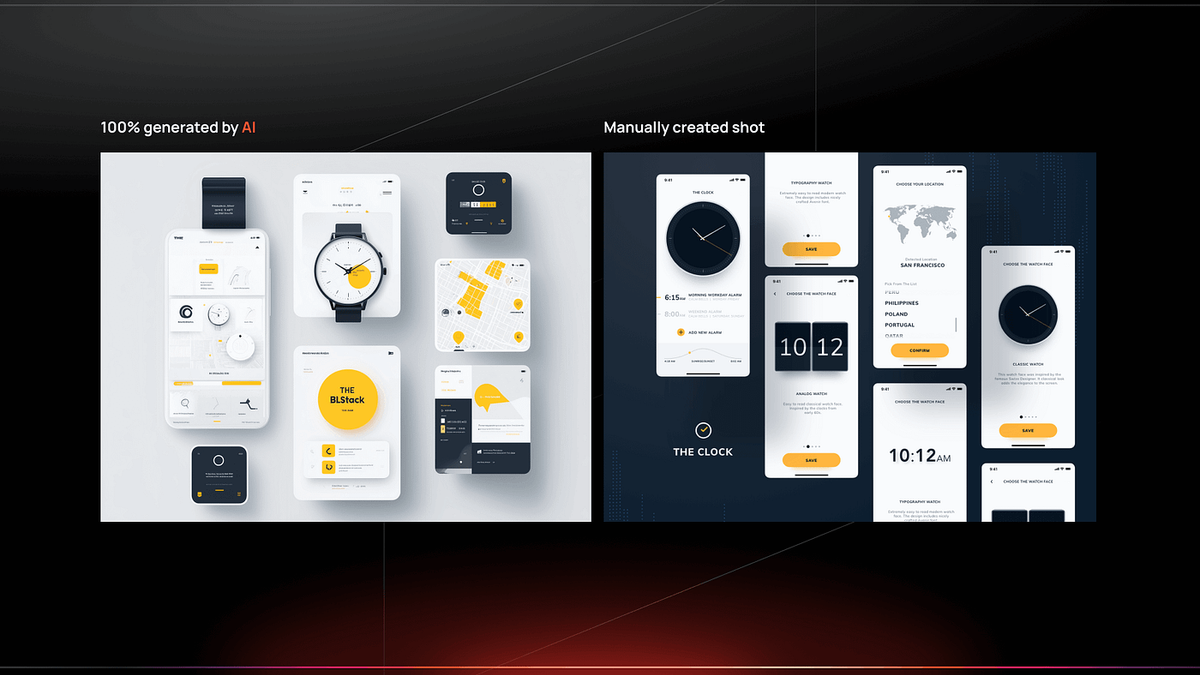
This transformation isn't replacing designers—it's empowering them to focus on strategy and human experience while AI handles variations and implementation details.
2. Immersive 3D & Spatial Design: Beyond Flat Screens
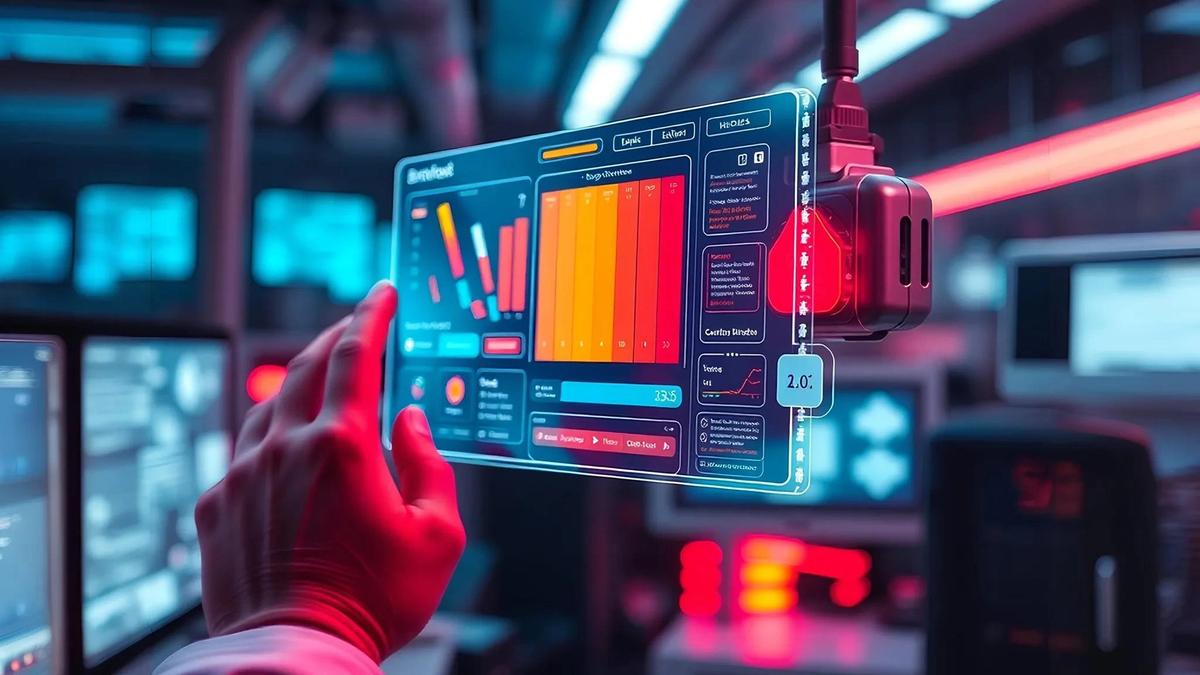
Flat design is evolving into depth and tactility.
Key Developments:
- Dimensional interfaces
- 3D elements becoming standard in everyday apps
- AR/VR integration for e-commerce try-ons and spatial navigation
- Tactile feedback systems that respond to gestures
- Design evolution
- Subtle "morphism" revival with neumorphism/glassmorphism
- Realistic shadows and lighting for enhanced tactile feel
- Bento grids creating organized spatial hierarchies
- High-contrast neon on dark modes for improved visual hierarchy
- Physical sensation
- Interfaces designed to feel physical and tangible
- Purposeful motion and depth guiding user attention
- Haptic feedback synchronized with visual elements
3. Ethical & Inclusive Design: The Human Return
Amid AI dominance, 2025 saw a "UX reckoning":
Key Developments:
- Accessibility revolution
- Accessibility-first approach becoming industry standard
- Multi-modal interfaces supporting voice, braille, and gesture
- Calm interfaces designed specifically for digital well-being
- Ethical AI implementation
- Transparency in prediction systems and recommendations
- Active bias mitigation and fairness protocols
- User control over AI-driven personalization
- Calm technology principles
- Reduced cognitive overload through thoughtful information architecture
- Meaningful micro-interactions that enhance rather than distract
- Ambient awareness features that minimize interruptions
Designers have shifted from creating "pretty pixels" to delivering outcome-oriented impact, successfully blending creativity with responsibility.
Looking Ahead
2025 wasn't just trends—it was a revolution in empathy. AI amplified human insight, immersion bridged digital/physical, and ethics ensured progress benefits all.